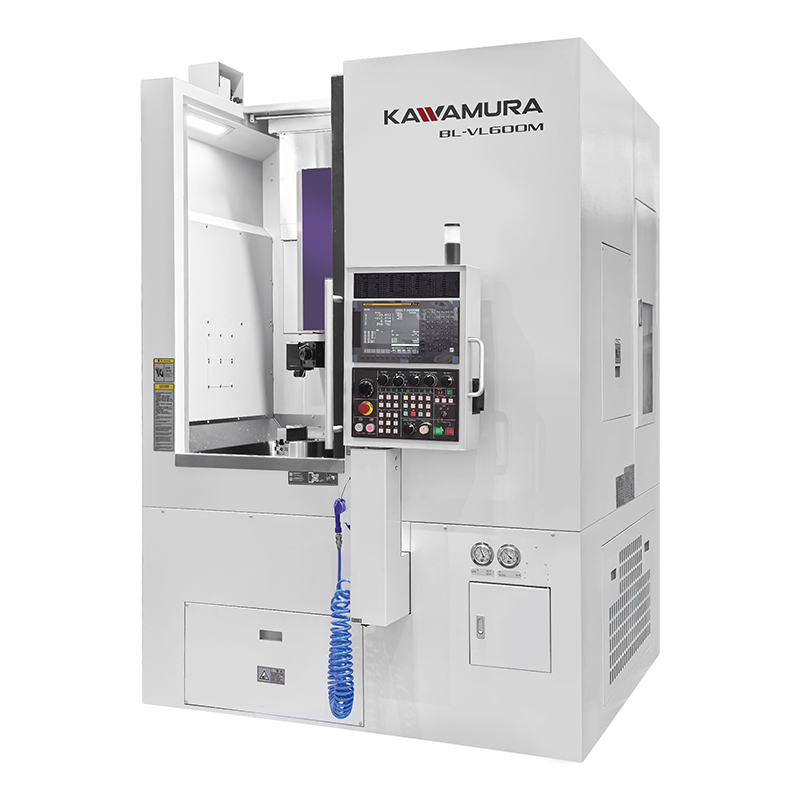




How to Operate a Vertical CNC Lathe Safely and Efficiently: A Complete Guide for Machine Shop Teams
A vertical CNC lathe can turn a heavy, awkward workpiece into a precisely finished part in a single setup - but only when the person running it understands both the machine and the risks that come with a rotating, gravity-loaded spindle. This guide breaks down, in plain language, exactly how operators, supervisors, and shop owners can run this type of machine safely without sacrificing cycle time or output.
Key Takeaways
Safe operation of a vertical CNC lathe starts before the spindle ever turns - proper workholding, guard checks, and program verification prevent most incidents.
Efficiency and safety are not competing goals; a well-maintained VTL with disciplined operating habits produces more good parts per shift, not fewer.
Lockout/tagout, point-of-operation guarding, and correct PPE remain the three pillars of injury prevention on any CNC turning machine.
Dry runs, single-block testing, and conservative first cuts catch programming errors before they become scrap or safety events.
Routine maintenance - lubrication, guideway cleaning, and tool inspection - keeps the machine running at rated accuracy for years.
What Makes Vertical CNC Lathe Operation Different
Unlike a horizontal lathe, a vertical lathe holds the workpiece on a rotating faceplate or chuck oriented flat, like a turntable, while the cutting tool approaches from above. This layout uses gravity to help stabilize large, heavy, or disc-shaped parts - think flanges, gears, wheels, bearing housings, and pressure vessel components - that would be difficult to hold securely on a horizontal machine. Because this type of lathe often handles workpieces weighing hundreds or even thousands of kilograms, the safety considerations shift toward workholding integrity, load balance, and controlled access to a large rotating table, in addition to the usual cutting hazards shared with any lathe.
Operators who move from horizontal machines to vertical turning for the first time sometimes underestimate how much the size and mass of the table change the risk profile. A misaligned chuck jaw or an under-torqued clamp on a small lathe might cause a part to slip; on a large VTL, the same mistake can eject a heavy component with enough force to cause serious injury. That is why every safety habit described below is built around the specific mechanics of vertical turning, not generic machine-shop advice.
Pre-Operation Safety Checklist for a Vertical CNC Lathe
A short, consistent pre-operation routine catches the majority of preventable problems before the spindle starts. The table below outlines what an operator should verify at the start of every shift and before every new job on this machine.
| Check Item | Frequency | Why It Matters |
|---|---|---|
| Chuck jaws, faceplate bolts, and fixture clamps torqued to spec | Every new setup | Prevents workpiece movement or ejection during rotation |
| Chip and coolant guards in place and functioning | Every shift start | Protects the operator from flying chips and hot coolant splash |
| Emergency stop and interlock switches tested | Every shift start | Confirms the machine will halt immediately if triggered |
| Tool turret and cutting inserts inspected for wear or cracks | Every new job | Reduces the chance of tool failure mid-cut |
| Work envelope cleared of tools, rags, and loose items | Every cycle start | Eliminates collision and entanglement risks |
| Lubrication and hydraulic levels within range | Daily | Maintains guideway and ram accuracy, preventing binding |
Step-by-Step: Safely Operating a Vertical CNC Lathe
Once the pre-operation checklist is complete, running one of these machines safely and efficiently follows a repeatable sequence. Skipping steps to save a few minutes is one of the most common causes of both scrapped parts and near-miss incidents.
Step 1: Secure the Workpiece Correctly
Because these machines frequently handle heavy or irregularly shaped parts, workholding is the single most important safety decision an operator makes. Use the clamping method the fixture was designed for, confirm even contact across all jaws, and never rely on friction alone for parts with significant overhang or off-center mass.
Step 2: Verify the Program Before Cutting
Review the CNC program against the setup sheet, confirm the correct tool offsets and work coordinate system are loaded, and run the program in single-block or dry-run mode with the tool clear of the workpiece. This step catches sign errors, wrong tool calls, and collision paths that a rushed operator might otherwise discover the hard way.
Step 3: Take a Conservative First Cut
Start the first cut at a reduced feed and spindle speed with the guard closed and hands clear of the work envelope. Watching the first pass at a safer speed lets the operator confirm chip formation, tool engagement, and part stability before committing to full production rates.
Step 4: Monitor the Machine During the Cycle
Stay within reach of the emergency stop, listen for changes in cutting sound that might indicate tool wear or chatter, and never reach into or lean over the rotating table area, even briefly. Most incidents on this type of machine happen when an experienced operator briefly bypasses a guard "just this once" during an otherwise routine cycle.
Step 5: Shut Down and Lock Out for Maintenance
At the end of a job, or before any adjustment, tooling change, or cleaning task, bring the spindle to a complete stop and apply lockout/tagout procedures so the machine cannot restart unexpectedly. This is a legal requirement in most jurisdictions and one of the most effective ways to prevent serious injury on any CNC machine, including a vertical lathe.[1]
PPE and Machine Guarding Essentials
Personal protective equipment does not replace proper guarding on this type of machine, but it is the last line of defense when something unexpected happens. At minimum, operators should wear safety glasses or a face shield, hearing protection during extended cutting cycles, cut-resistant gloves only when handling stationary stock (never near a rotating chuck), and steel-toed footwear for protection against dropped tooling or heavy workpieces.
Fixed and interlocked guards around the point of operation remain the primary safeguard. Point-of-operation guarding requirements for turning machines are addressed under general industry machine guarding regulations, and shops running vertical turning equipment should confirm their guarding meets current standards rather than relying on operator caution alone.[2]
Common Mistakes That Undermine Safety and Efficiency
The table below lists mistakes that repeatedly show up in machine shops running this type of lathe, along with the practical fix for each one.
| Common Mistake | Consequence | Practical Fix |
|---|---|---|
| Skipping the dry run to save time | Tool collisions, scrapped parts, damaged spindle | Always run single-block or graphic simulation before the first live cut |
| Overriding feed rates without checking tool load | Premature tool failure, poor surface finish | Adjust speeds and feeds gradually while monitoring spindle load meter |
| Leaving chip buildup around the base and table | Slip hazards, reduced coolant flow, hidden tool wear | Clear chips at set intervals, not only at shift end |
| Bypassing interlocked guards for quick adjustments | Direct exposure to rotating components | Use lockout/tagout for any in-cycle adjustment, no exceptions |
| Delaying scheduled lubrication and guideway cleaning | Accelerated wear, loss of positioning accuracy | Follow the OEM maintenance schedule and log every service interval |
Maintenance Habits That Keep a Vertical CNC Lathe Efficient
Safety and efficiency both depend on a machine that performs the way it was designed to. A machine with worn guideways, low lubrication, or neglected spindle bearings does not just produce less accurate parts - it also becomes less predictable, which raises risk. Daily lubrication checks, weekly guideway and chip conveyor cleaning, scheduled inspection of ball screws and bearings, and periodic verification of positioning accuracy against rated tolerances all help the machine hold its performance over years of production use. Shops that log these tasks tend to catch small issues, such as a slightly loose fixture bolt or a coolant leak, long before they turn into downtime or safety incidents.
Looking for a Reliable Vertical CNC Lathe Manufacturer?
BLIN Machinery designs and builds heavy-duty vertical lathes engineered with safety-focused guarding, rigid box or linear guideway construction, and load capacities up to 15,000 kg for demanding turning applications. Our engineering team can help you match the right VTL to your parts and your shop floor.
Send an Inquiry to BLINConclusion
Operating a vertical CNC lathe safely and efficiently is less about following a single rule and more about building a consistent routine: check the setup, verify the program, guard the work envelope, watch the first cut, and maintain the machine on schedule. Shops that treat these steps as non-negotiable habits, rather than optional extras, consistently see fewer incidents and more predictable output from their equipment over the long run.
Frequently Asked Questions
What is the biggest safety risk when operating a vertical CNC lathe?
The largest risk is inadequate workholding on heavy or irregular parts, since these machines often handle large-diameter, high-mass workpieces that can be ejected if clamping is insufficient.
Do I need special training to operate a vertical CNC lathe?
Yes. Because vertical turning differs in workholding, load handling, and guard design from horizontal lathes, operators should receive machine-specific training in addition to general CNC turning experience.
How often should this type of lathe be inspected for maintenance?
Lubrication and chip clearing should be checked daily, guideways cleaned weekly, and positioning accuracy verified on the schedule recommended by the machine manufacturer, typically every few months depending on usage.
Can a VTL run unattended once the cycle starts?
Short unattended runs are common in production, but the operator should remain within reach of the emergency stop during the first cycle of any new job and check on longer runs at regular intervals.
What PPE is required for CNC turning machine operators?
At minimum, eye protection, hearing protection, and steel-toed footwear are standard; gloves should only be worn when the spindle is fully stopped and locked out.
References: [1] OSHA, Control of Hazardous Energy (Lockout/Tagout) Overview. [2] OSHA, Machine Guarding eTool - Standards.